Eye evaluation
Vision, eye pressure and retina.
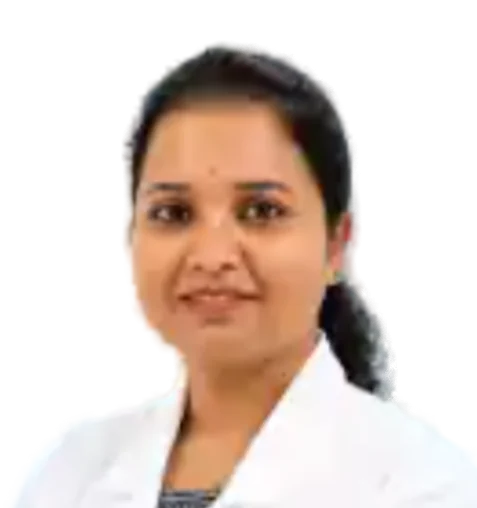
Dr. Archana M is the ophthalmologist and retina surgeon at AGR Medical Center in Yelahanka. Eye examinations, glaucoma checks, cataract surgery and retina care, including diabetic eye disease, are handled by the same doctor, from first check-up to surgery.
Your doctor
Vitreoretinal surgeon. Directs eye care at AGR Medical Center as a general ophthalmologist, cataract surgeon and retina surgeon.
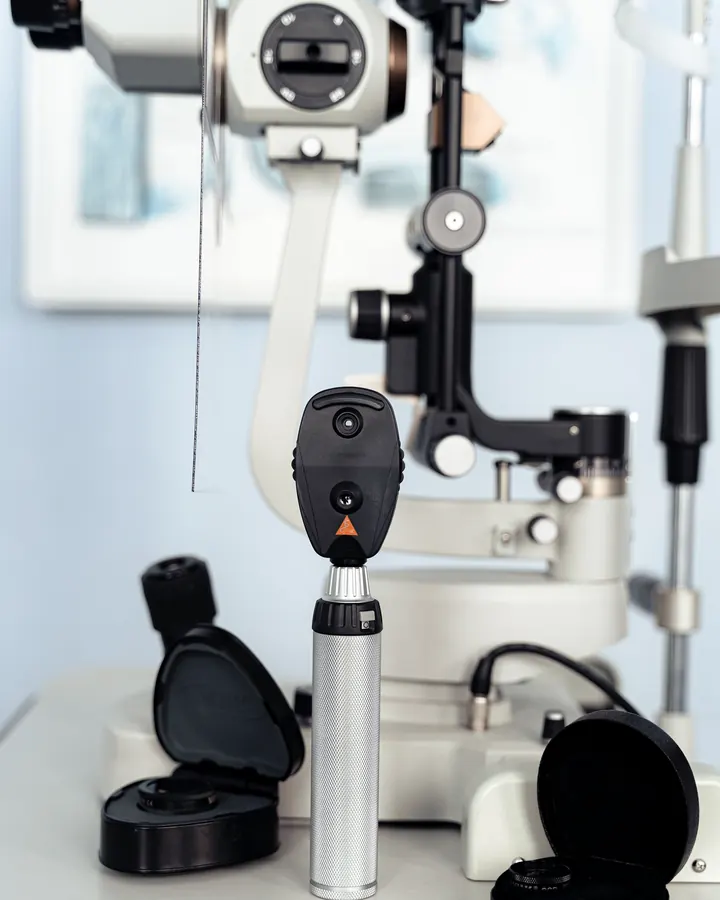
A full examination by an eye doctor checks how well you see, the pressure inside the eye and the health of the retina at the back of the eye. A check every one to two years after 40, and every year if you have diabetes, is the simplest way to catch problems early.
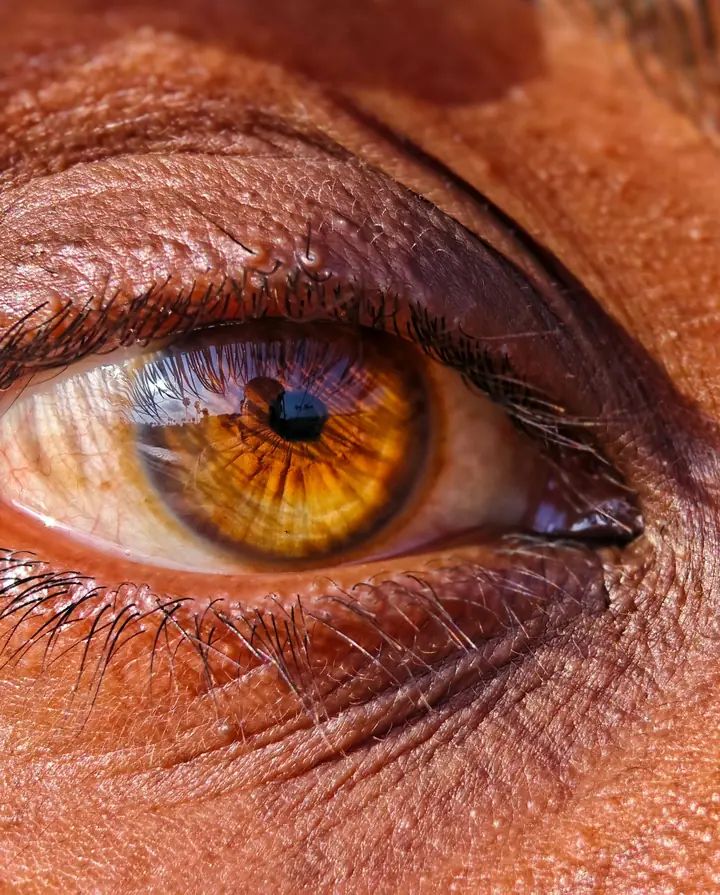
A cataract is a clouding of the eye’s natural lens, and the most common reason vision becomes blurred or dim with age. Surgery replaces the cloudy lens with a clear artificial one. It is usually done under local anaesthetic, and you go home the same day.
There’s no need to wait for a cataract to “ripen”. The right time for surgery is when it starts to get in the way of reading, driving or work.
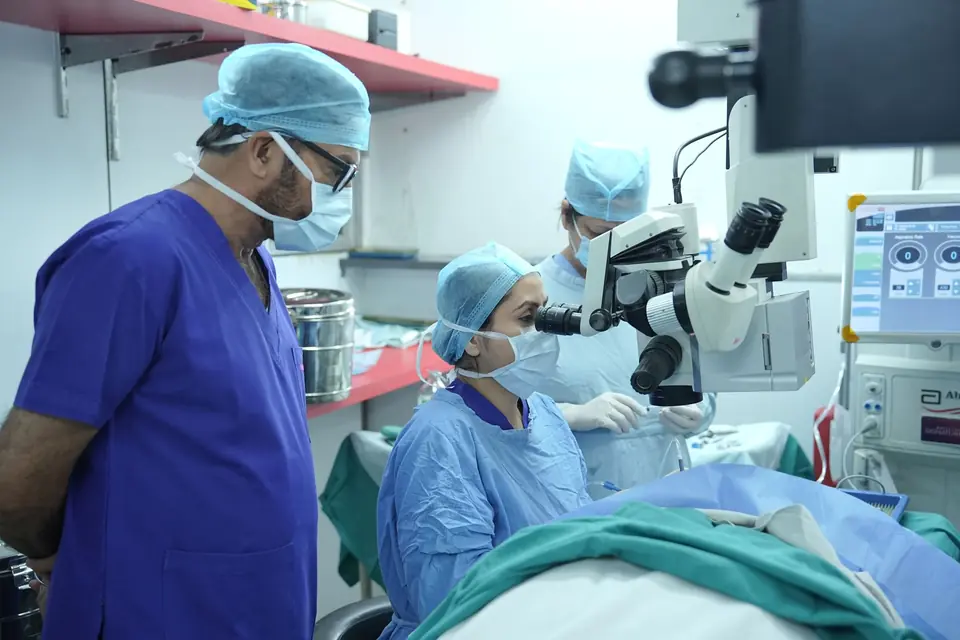
The retina is the light-sensitive layer at the back of the eye. Dr. Archana M is a vitreoretinal surgeon, trained to treat the retina and the clear gel (the vitreous) that fills the eye with injections, laser and surgery.
A sudden shower of new floaters, flashes of light, or a shadow or curtain moving across your vision can mean a retinal tear or detachment. Early treatment gives the best chance of saving sight.
Vision, eye pressure and retina.
For anyone living with diabetes.
Before surgery and for diabetes.
Every one to two years after the age of 40, and every year if you have diabetes. Sooner if your vision changes.
When the cataract starts to get in the way of reading, driving or work. There’s no need to wait for a cataract to “ripen”.
Conditions of the retina and vitreous at the back of the eye, such as diabetic retinopathy, macular degeneration, retinal vein occlusion, retinal tears and detachment, macular holes and vitreous haemorrhage.
Usually, for a full retina examination. The drops blur vision for a few hours, so bring sunglasses and plan not to drive home.
Bring your current glasses and any previous eye reports. If your pupils are dilated, plan not to drive home.